
Window Tint
Quality window film keeps your cabin cooler and more comfortable, cuts glare and adds privacy, with a clean factory-style look.
What is window tint?
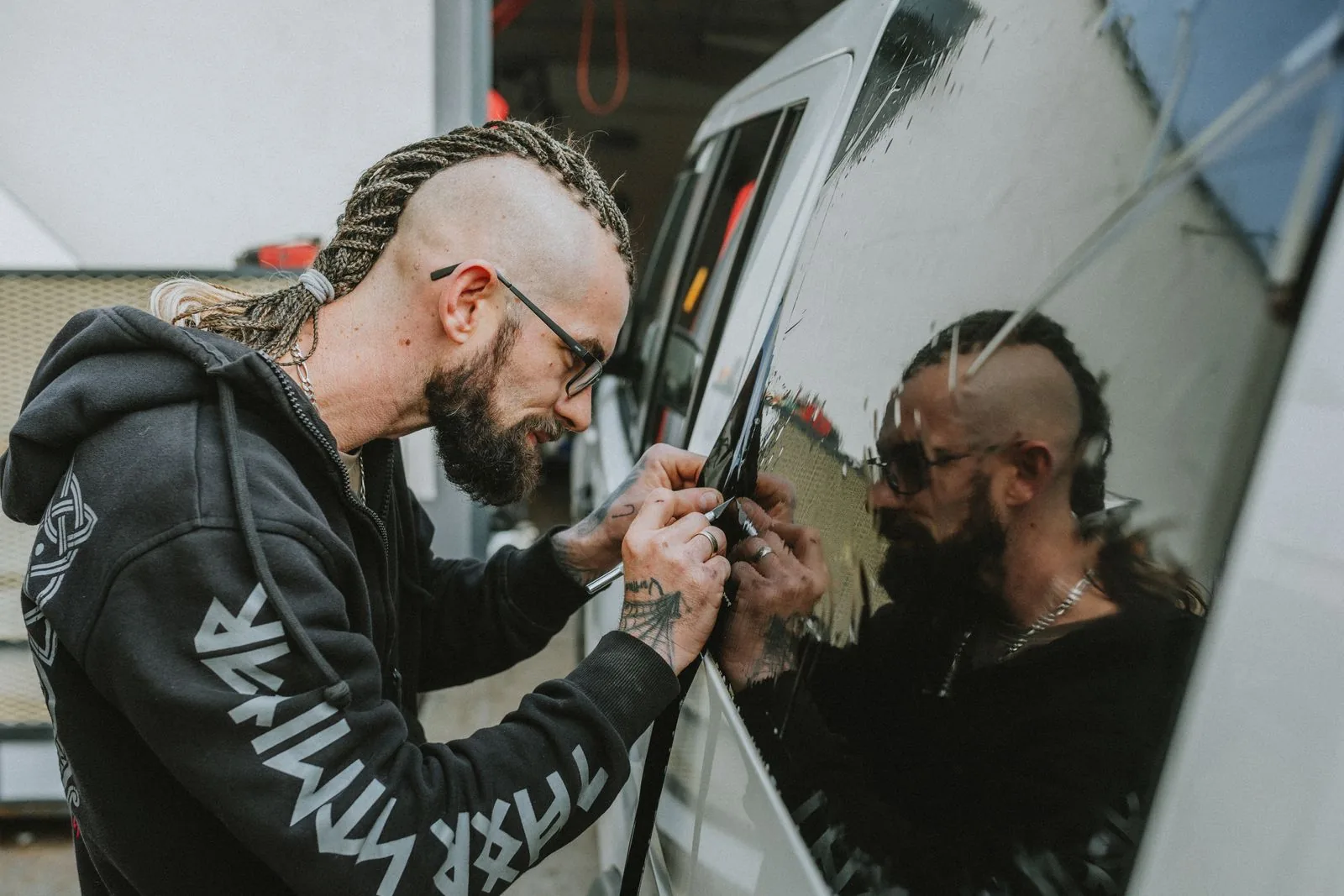
Window tint is a thin multi-layer film applied to the inside of your vehicle's glass. It controls how much visible light, heat and ultraviolet light passes through.
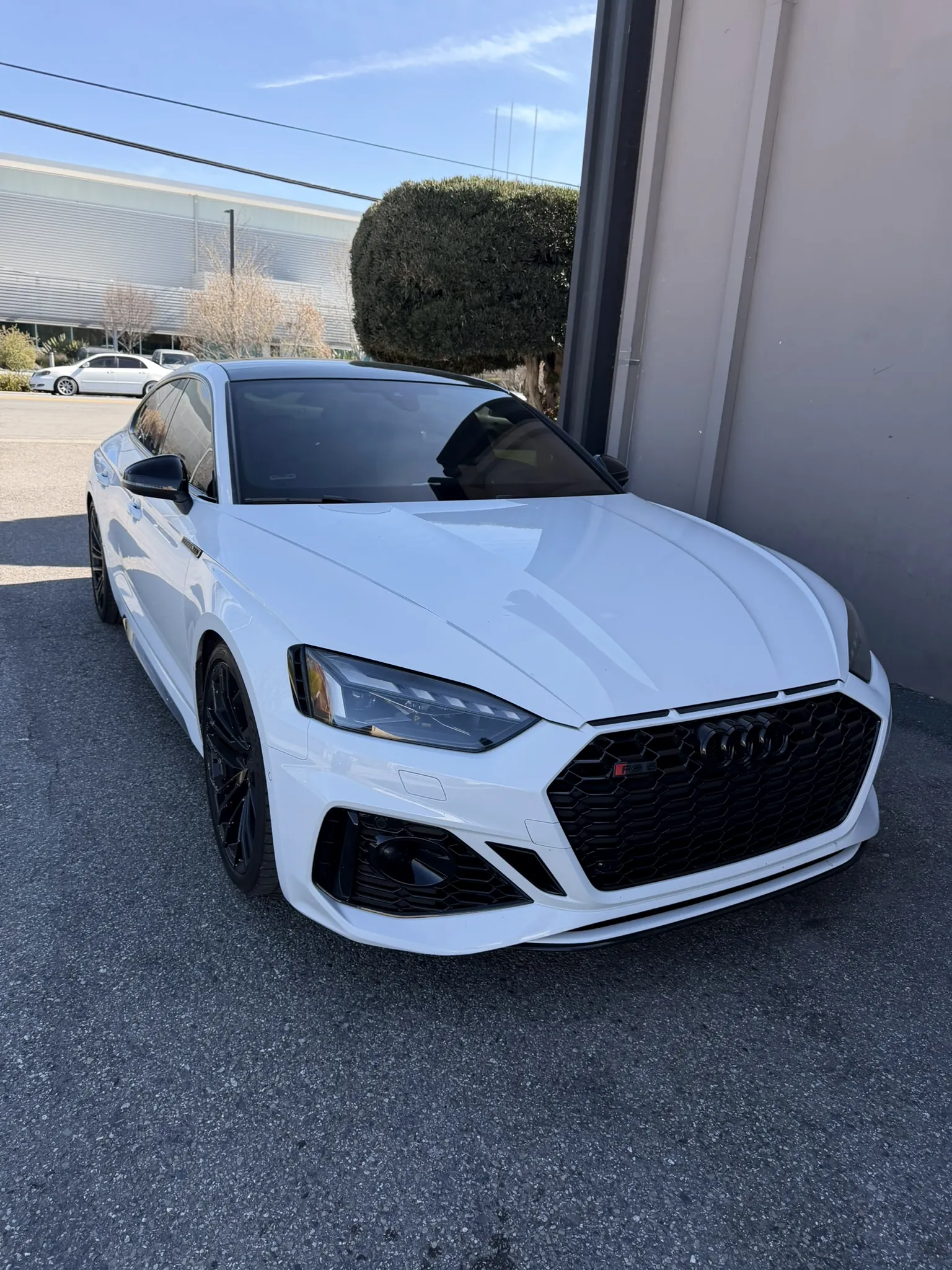
Tint shades are described by VLT (Visible Light Transmission): the percentage of light the window lets through. A lower number means a darker window.
How it works
Each window is cleaned meticulously, the film is cut to the exact shape of the glass, heat-shrunk to match its curve, and applied with a slip solution. Water is squeegeed out and the film cures over the following days.
Performance (heat, infrared and UV rejection) depends on the film technology and shade. We show you the manufacturer's specifications for the exact film before installation, so you know what you're getting.
Film Types
| Feature | Carbon | Carbon Ceramic | Ceramic |
|---|---|---|---|
| Technology | Carbon particles in the film | Carbon base with ceramic particles | Nano-ceramic particles |
| Look | Deep, matte black; won't fade to purple like dyed film | Deep black with improved clarity | Clear, high-definition view at any shade |
| Heat rejection | Good | Better | Best |
| Signal interference | None (non-metallic) | None (non-metallic) | None (non-metallic) |
| Best for | Style, privacy and value | Balance of look, comfort and price | Maximum comfort in heat and sun |
Heat rejection is compared between the three film types and varies by manufacturer and shade. Exact UV, infrared and total solar energy rejection values come from the manufacturer's specification sheet for the specific film and shade, which we provide before installation.
Shade Comparison
 70%
- 50%
- 35%
- 20%
- 5%
Simulated for illustration: the same scene viewed through different VLT levels. Real appearance depends on the film, the glass and the light.
California Tint Regulations
- Windshield
- Non-reflective tint allowed on the top 4 inches only.
- Front side windows
- The glass and film combined must let in at least 70% of light, so only very light film is allowed.
- Rear side windows
- Any darkness may be used.
- Rear window
- Any darkness may be used if the vehicle has outside mirrors on both sides.
- Medical exemptions
- May apply with the required documentation.
Summary of the California Vehicle Code (Section 26708) for reference only. Regulations can change; we'll confirm what's allowed for your vehicle before installation.
Packages & Options
Front Two Windows
Match or upgrade the front side windows within the legal shade.
- Carbon, carbon ceramic or ceramic film
- Legal shade for front side windows
- Clean edges and dot-matrix finish
Sides & Rear
Rear side windows and back glass for privacy and comfort.
- Rear side windows
- Rear window
- Your choice of film and shade
Full Vehicle
Every side window and the rear glass, plus a windshield strip.
- Front, rear side and rear windows
- Windshield sun strip (top 4 inches)
- Film upgrade options
Pricing depends on your vehicle, the number of windows and the film you choose. Request a quote and we'll recommend the right film.
Benefits for your vehicle
- Reduces solar heat entering the cabin
- Helps block UV rays, according to the film's specifications
- Reduces glare from sun and headlights
- Adds privacy
- Improves comfort inside the vehicle
- Protects the interior from sun exposure
Our process
Consultation
Choose film type and shade, within California regulations.
Glass preparation
Glass and seals cleaned to remove every particle.
Cutting & heat-shaping
Film cut and heat-formed to the curve of each window.
Installation
Film applied with slip solution and squeegeed into place.
Edge check
Edges and dot-matrix areas inspected.
Curing & aftercare
Aftercare instructions while the film cures.
Frequently asked questions
How dark can I go in California?
Front side windows must stay very light (glass and film combined must let in at least 70% of light). Rear side and back windows can be darker if the vehicle has side mirrors on both sides. On the windshield, tint is only allowed on the top 4 inches. See the summary above.
Can I roll my windows down right away?
Wait a few days for the film to cure. We'll tell you exactly how long for the film you choose.
Will tint interfere with my phone or GPS?
Carbon and ceramic films are non-metallic, so they don't interfere with electronic signals.
Why does the tint look hazy at first?
Small water pockets or haze are normal during curing and clear up as the film dries.
Ready to get started?
Tell us about your vehicle and get a free, no-obligation quote.
Related services
-
Headlight Restoration
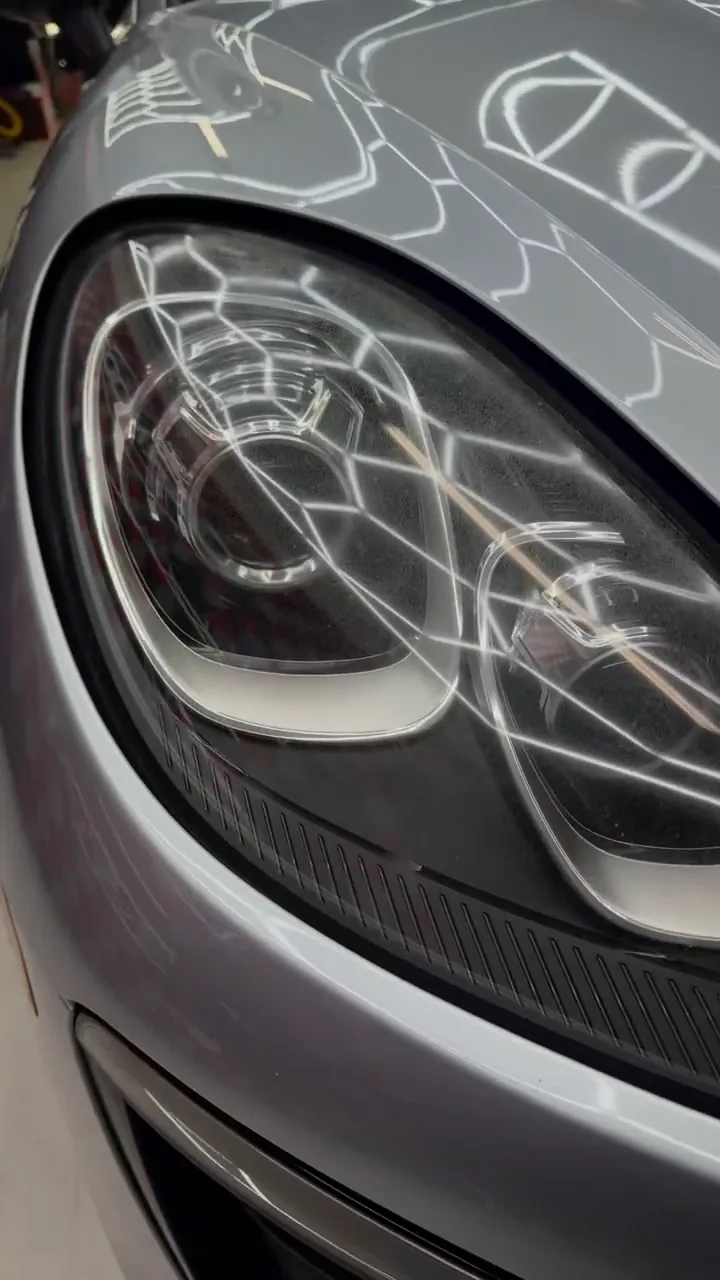
Yellowed, hazy headlights restored to clarity and sealed with UV protection.
Learn More -
Paint Protection Film (PPF)
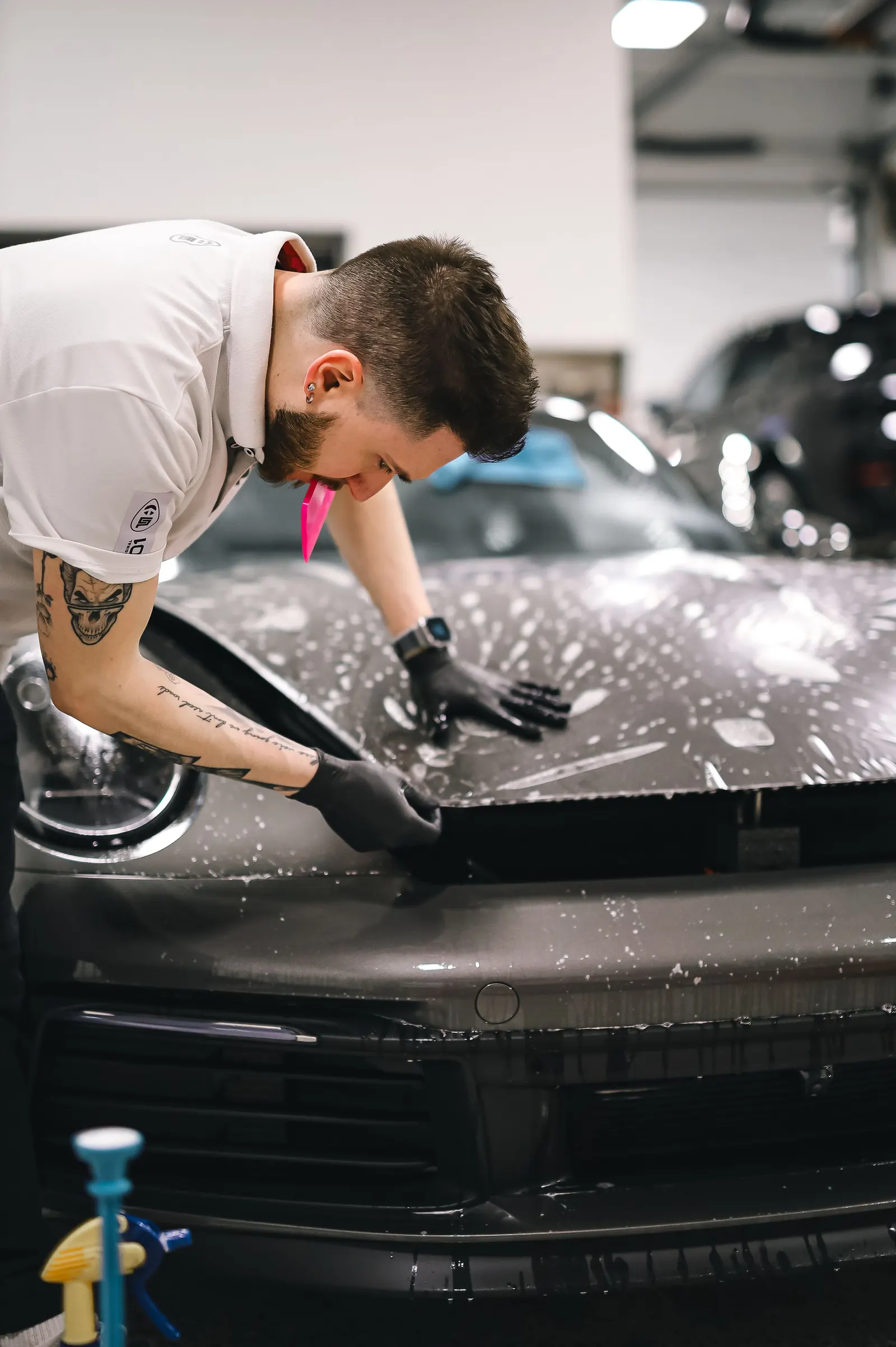
Clear, durable film that protects your original paint from chips and daily wear.
Learn More -
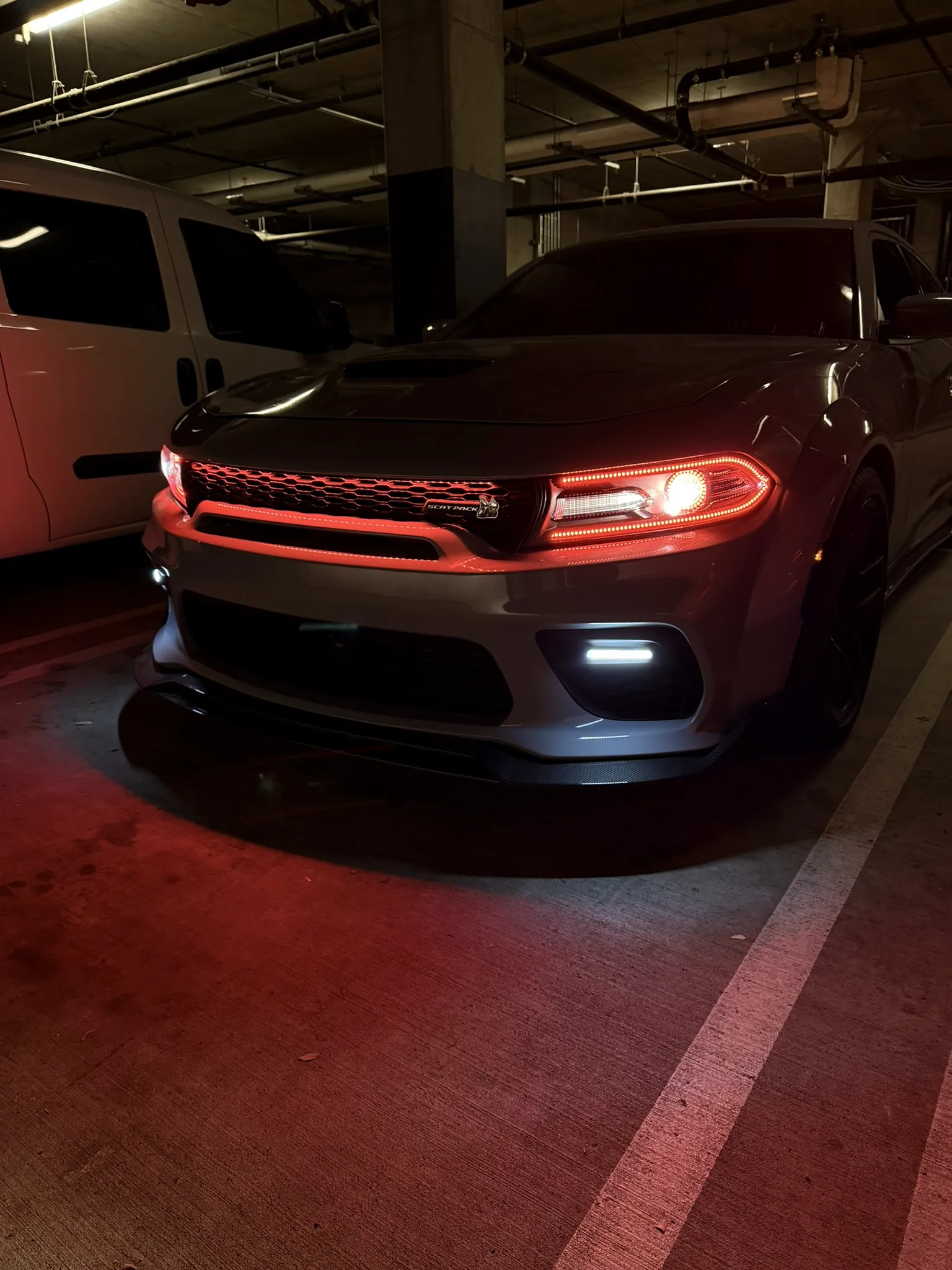
Custom Headlights & Lighting
Custom headlight builds, LED installs, starlight headliners and ambient lighting.
Learn More